πŸ“‚ NEW: AI auto-sorts your mentions! Try it out β†’
  1. Home
  2. Blog
  3. 10 Powerful Community Engagement Strategies for Unbeatable Growth in 2025
Avatar
Josh Waller
10 Powerful Community Engagement Strategies for Unbeatable Growth in 2025

10 Powerful Community Engagement Strategies for Unbeatable Growth in 2025

In an era of digital noise, creating genuine connections is no longer a 'nice-to-have' but a core business imperative. A genuine community isn't just a group of followers; it's an ecosystem of advocates, a source of invaluable feedback, and a powerful engine for sustainable growth. Many organisations struggle to move beyond superficial metrics, mistaking follower counts for real engagement. The challenge lies in shifting from broadcasting messages to building meaningful, two-way relationships.

This guide cuts through the fluff to deliver ten proven, actionable community engagement strategies that modern businesses and community managers can implement today. We will move beyond generic advice to provide a clear blueprint for each strategy, covering everything from implementation steps and key performance indicators to channel-specific tactics for platforms like Reddit, LinkedIn, and community forums. We'll explore how to not only launch these initiatives but also how to use social listening tools to pinpoint opportunities, understand sentiment, and measure the true impact of your efforts.

While many guides focus on high-level theory, our focus is on practical application. For a deeper exploration into strategies that foster genuine engagement and move beyond superficial tactics, delve into this comprehensive guide to Web3 community building that actually works. Prepare to transform your audience from passive consumers into a thriving, loyal community that actively contributes to your brand's success. This article provides the framework you need to build something that lasts.

1. Mastering Digital and Social Media Engagement

Digital and social media engagement is a foundational community engagement strategy focused on building relationships and fostering two-way communication online. It involves actively using platforms like X (formerly Twitter), LinkedIn, Reddit, and dedicated forums to create conversations, share valuable content, and gather direct feedback from your audience.

This approach moves beyond simple broadcasting; it’s about creating a genuine, interactive presence where community members feel seen and heard. By participating in relevant discussions and responding thoughtfully, you build trust and establish your brand as a central, helpful voice within your niche. For organisations looking to scale their community efforts effectively, mastering the digital landscape is non-negotiable.

How to Implement This Strategy

  • Choose Platforms Wisely: Don't stretch yourself thin. Focus on 2-3 platforms where your target audience is most active. A B2B tech company might prioritise LinkedIn and Reddit, while a consumer brand may find more value on Instagram and Facebook.
  • Create Platform-Specific Content: Tailor your posts to each platform's culture. Use professional insights and long-form text on LinkedIn, quick updates and polls on X, and join in-depth discussions in relevant subreddits.
  • Engage Proactively: Don't wait for mentions. Actively join conversations, answer questions, and provide value without direct promotion. This builds organic credibility. For more detailed guidance, consult A Practical Guide to Community Management on Social Media for cultivating your online presence.

Measuring Success

Track these KPIs to gauge your impact:

  • Engagement Rate: Likes, comments, shares, and saves per post.
  • Response Time: How quickly your team responds to mentions and messages.
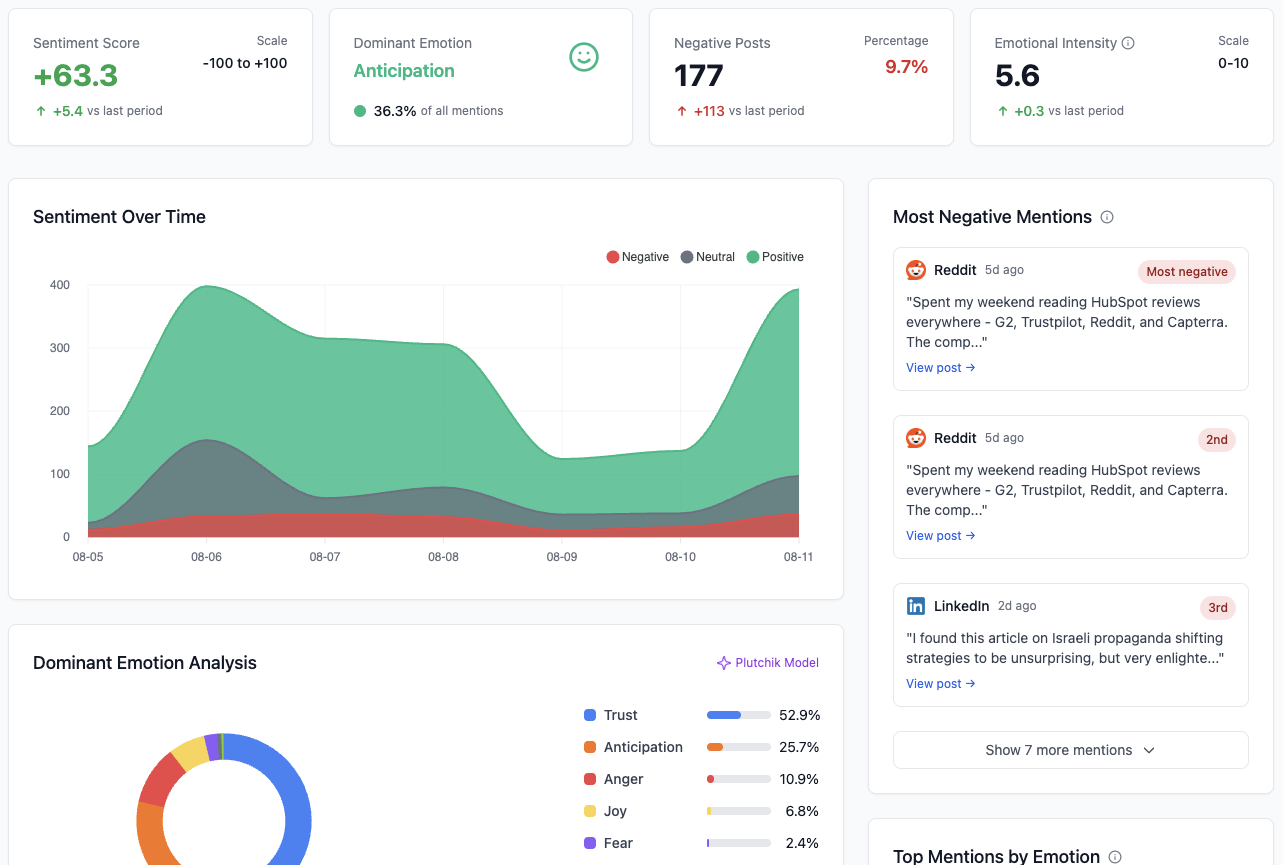
  • Sentiment Analysis: The overall tone (positive, negative, neutral) of conversations mentioning your brand.

Leveraging Social Listening

Use a tool like ForumScout to monitor keywords related to your industry, not just your brand name. This helps you uncover organic opportunities to engage. For instance, you can find people asking questions your product solves or discussing pain points you can address. This proactive approach turns passive monitoring into active community building and is a cornerstone of modern community engagement strategies. You can find more practical examples in our guide to social listening for nonprofit organisations.

2. Community Events and Gatherings

Organising community events and gatherings is a powerful strategy centred on bringing people together in a shared physical or hybrid space. This approach involves creating purposeful experiences like workshops, town halls, networking meetups, or local festivals that facilitate direct, meaningful interaction among community members.

These events transform digital connections into real-world relationships, fostering a profound sense of belonging and shared identity. By creating a dedicated space for face-to-face dialogue and collective problem-solving, organisations can build deeper loyalty and gather invaluable, unfiltered feedback. This is one of the most effective community engagement strategies for solidifying a community's foundation.

People gather in an outdoor park for a community circle event with a food stall.

How to Implement This Strategy

  • Define a Clear Purpose: Every event needs a goal. Is it for networking, education, feedback, or celebration? A workshop has a different objective than a community festival, so define your primary aim first.
  • Prioritise Accessibility: Ensure your event is inclusive. Offer hybrid attendance options, choose venues with disabled access, and consider providing support like childcare or transport assistance to remove barriers to entry.
  • Collaborate with Local Partners: Partnering with trusted local organisations or community leaders can boost credibility and attendance. For example, a tech company could co-host a workshop with a local university.
  • Follow Up Promptly: The engagement doesn't end when the event does. Send a follow-up email within a week to thank attendees, share key takeaways or resources, and ask for feedback to improve future events.

Measuring Success

Track these KPIs to measure the impact of your gatherings:

  • Attendance Rate: The number of registered attendees who actually participated.
  • Post-Event Survey Scores: Net Promoter Score (NPS) or satisfaction ratings from attendees.
  • Community Growth: Track new sign-ups or members who joined immediately after the event.

Leveraging Social Listening

Use a tool like ForumScout to identify what kind of events your community actually wants. Monitor online forums and social media for discussions around local meetups, desired workshop topics, or frustrations with the lack of networking opportunities in your industry. This data-driven approach ensures you’re not just planning events but creating experiences people are actively seeking. You can also track post-event buzz by monitoring your event hashtag to analyse sentiment and gather organic testimonials.

3. Participatory Budgeting

Participatory budgeting is a democratic process where community members directly decide how to allocate part of a public or organisational budget. This powerful community engagement strategy gives people real power over real money, allowing them to identify, discuss, and vote on projects that address their needs and improve their neighbourhoods.

This approach transforms residents from passive recipients of services into active partners in governance. It fosters a deeper sense of ownership, increases transparency, and builds significant trust between an organisation and its community. For governments, non-profits, or even large companies looking to demonstrate a genuine commitment to community-led development, this is one of the most impactful strategies available.

Hands drop tokens with icons into a 'COMMUNITY Budget' box, representing participatory budgeting and community decision-making.

How to Implement This Strategy

  • Define the Scope: Clearly establish the total budget available and the rules for the process. Start with a smaller, manageable fund to pilot the initiative, like the successful aldermanic funds used in Chicago.
  • Facilitate Idea Collection: Organise accessible brainstorming sessions, both online and in-person, to gather project ideas from a diverse cross-section of the community. Ensure outreach is multilingual and culturally sensitive.
  • Develop Proposals and Host a Vote: Work with community volunteers to turn raw ideas into feasible project proposals. Then, host a public vote using accessible methods, such as online portals and physical polling stations, to ensure maximum participation.
  • Fund and Implement Winning Projects: Publicly announce the winning projects and provide transparent updates on their implementation. Sharing the results widely, as seen in Paris’s massive annual programme, is key to maintaining long-term engagement.

Measuring Success

Track these KPIs to evaluate your programme's impact:

  • Voter Turnout: The number and demographic diversity of community members who participate in the vote.
  • Project Completion Rate: The percentage of funded projects that are successfully implemented.
  • Community Satisfaction: Surveys measuring residents' trust in the organisation and satisfaction with the process.

Leveraging Social Listening

Use a tool like ForumScout to identify community needs and pain points before the budgeting process even begins. Monitor local forums, community Facebook groups, and platforms like Reddit for conversations about what residents feel is lacking, for example, "our local park needs better lighting" or "wish there were more youth programmes". This data provides a powerful starting point for the idea collection phase and helps ensure that your participatory budgeting process is addressing genuine, pre-existing community concerns. This proactive listening is a hallmark of effective community engagement strategies.

4. Community Advisory Boards and Coalitions

Community Advisory Boards (CABs) are a powerful community engagement strategy that involves creating a formal group of community members to provide structured feedback and guidance. This approach institutionalises community involvement, ensuring that diverse voices directly influence an organisation's decisions, strategies, and initiatives on an ongoing basis.

An open book surrounded by speech bubbles with people's faces and a blank one, representing community reading.

Unlike one-off focus groups, a CAB establishes a long-term partnership, bridging the gap between an organisation and the people it serves. By formalising this relationship, you build deep trust, co-create solutions that genuinely meet community needs, and develop local leadership. This method is ideal for organisations whose work has a significant, long-term impact on a specific population, such as healthcare providers, educational institutions, or urban planners.

How to Implement This Strategy

  • Establish Clear Terms of Reference: Define the board's purpose, roles, responsibilities, and decision-making authority from the outset. Transparency prevents confusion and empowers members to contribute effectively.
  • Ensure Representative Membership: Actively recruit members who reflect the demographic, geographic, and socio-economic diversity of your community. Avoid tokenism by ensuring all groups are genuinely represented.
  • Compensate Members for Their Time: Value the expertise and lived experience of board members by offering stipends, travel reimbursement, or meals for their participation. This makes involvement more accessible and equitable.
  • Provide Training and Support: Equip members with the necessary skills and information to succeed. Offer training on topics like strategic planning, budget review, or your organisation's specific area of focus.

Measuring Success

Track these KPIs to evaluate the board's effectiveness:

  • Attendance and Retention Rate: The percentage of members who consistently attend meetings and remain on the board over time.
  • Qualitative Feedback Integration: The number of board recommendations that are documented, considered, and visibly integrated into organisational strategy or policies.
  • Community Satisfaction Scores: Surveys measuring whether the broader community feels their interests are better represented since the board's establishment.

Leveraging Social Listening

Use a tool like ForumScout to identify potential advisory board members and understand community priorities before you even begin recruitment. Monitor discussions on local forums, Reddit threads (like r/yourcity), or social media groups to find individuals who are already passionate, knowledgeable, and respected voices on relevant topics. Setting up alerts for keywords like "community feedback," "local concerns," or industry-specific issues can help you pinpoint the exact conversations that will inform your board's agenda and ensure its work is grounded in real-time community needs.

5. Community Asset Mapping and Surveys

Community asset mapping is a proactive strategy that flips traditional needs-based analysis on its head. Instead of focusing on problems or deficits, it systematically identifies and documents a community's existing strengths, resources, skills, and assets. This includes everything from local institutions and individual talents to physical spaces and cultural traditions.

This strength-based approach builds on what a community already possesses, creating a powerful foundation for sustainable, community-led initiatives. By visualising these assets, organisations can foster collaboration, empower members, and co-create solutions that are genuinely rooted in the community's existing capabilities. It is one of the most empowering community engagement strategies for fostering long-term resilience and ownership.

How to Implement This Strategy

  • Combine Multiple Methods: Use a mix of surveys, one-on-one interviews, focus groups, and direct observation to gather comprehensive data. This ensures you capture both quantitative and qualitative insights.
  • Create Visual, Accessible Maps: Don't just compile a list. Develop visual maps (digital or physical) that make the information easy to understand and use. This could be a GIS map of green spaces or a diagram of skilled individuals.
  • Involve the Community in the Process: The mapping itself is a form of engagement. Organise workshops where community members can contribute directly to identifying and categorising assets, fostering a sense of shared ownership from the start.

Measuring Success

Track these KPIs to evaluate your asset mapping efforts:

  • Number of Assets Identified: A simple count of the skills, organisations, and resources documented.
  • Community Participation Rate: The percentage of community members who contributed to the mapping process.
  • New Partnerships Formed: The number of new collaborations initiated between identified asset holders as a result of the mapping.

Leveraging Social Listening

Use a tool like ForumScout to supplement your mapping by identifying digital assets and key influencers. You can search for discussions where members share skills, offer help, or mention local resources that might otherwise be missed. For instance, a search for "local artists" or "coding help" on relevant forums can uncover a wealth of talent within your digital community. This digital discovery complements on-the-ground efforts and is a great way to use a forum search engine to uncover hidden community strengths.

6. Youth and Intergenerational Engagement

Youth and intergenerational engagement is a powerful community engagement strategy centred on intentionally involving young people and creating platforms for knowledge sharing between different age groups. This approach moves beyond viewing youth as passive beneficiaries, instead positioning them as valuable assets and future leaders. It fosters mutual respect and collaboration, breaking down generational silos.

By bridging the gap between generations, organisations can tap into fresh perspectives while leveraging the wisdom of experience. This dynamic creates a more inclusive, resilient, and forward-thinking community. For any organisation aiming to build long-term sustainability and relevance, integrating youth and intergenerational programmes is a vital long-term investment.

How to Implement This Strategy

  • Provide Genuine Power: Move beyond token roles. Involve young people in meaningful decision-making processes, such as through teen-led advisory councils or by giving them a vote on project steering committees. Their input must have a tangible impact.
  • Create Structured Mentorship: Establish formal mentorship programmes that pair younger and older community members. A senior professional could mentor a student on career development, while the student could offer insights on digital trends, creating a two-way exchange.
  • Offer Incentives and Support: Acknowledge the value of young people's time and contributions by offering stipends or other forms of compensation. Provide necessary resources, training, and peer support networks to help them succeed in their roles.

Measuring Success

Track these KPIs to gauge your impact:

  • Youth Participation Rate: The number and percentage of young people actively involved in programmes and decision-making bodies.
  • Programme Retention: The rate at which both youth and senior participants remain engaged over time.
  • Qualitative Feedback: Collect testimonials and survey feedback on the perceived value of intergenerational interactions.

Leveraging Social Listening

Use a tool like ForumScout to identify online spaces where different age groups discuss community issues. Monitor keywords like "student volunteer opportunities," "youth council," or "intergenerational projects" on platforms like Reddit or local forums. This helps you discover where young people are seeking engagement and what topics they are passionate about. By listening to these conversations, you can design initiatives that genuinely meet their needs and interests, making your youth-focused community engagement strategies far more effective.

7. Community Storytelling and Narrative Change

Community storytelling and narrative change is a powerful engagement strategy focused on using personal stories and testimonials to build empathy and shift collective understanding. It leverages the authentic voices of community members to humanise complex issues, change perceptions, and foster a deeper, more emotional connection to a cause or brand.

This approach recognises that stories, not just data, drive cultural change. By creating platforms for lived experiences to be shared, organisations can build powerful movements, as seen in campaigns like #MeToo, or foster a sense of shared identity. It’s one of the most profound community engagement strategies for building a loyal, invested, and emotionally connected audience.

How to Implement This Strategy

  • Establish Ethical Guidelines: Always obtain informed consent before sharing someone's story. Be transparent about how it will be used, and ensure storytellers have agency over their own narratives. Compensating individuals for their time and contribution is a crucial best practice.
  • Create Dedicated Platforms: Showcase stories across multiple formats to maximise reach. This could include a blog series featuring written testimonials, a podcast with audio interviews, or a social media video campaign.
  • Facilitate, Don't Fabricate: Your role is to provide the tools and space for stories to emerge. Host workshops or create submission portals that help people refine and share their experiences, but never alter the core message or authenticity of their voice.

Measuring Success

Track these KPIs to gauge your impact:

  • Qualitative Feedback: Collect comments and messages that show a shift in audience understanding or empathy.
  • Story Reach and Shares: Monitor how widely individual stories are shared across platforms, indicating resonance.
  • Sentiment Shift: Analyse conversations before and after a storytelling campaign to measure changes in public perception.

Leveraging Social Listening

Use a tool like ForumScout to uncover organic stories and identify themes that resonate within your community. Set up alerts for phrases like "my experience with," "I wish people understood," or "what it's like to..." related to your industry. This allows you to find authentic narratives already being shared and identify potential storytellers who can amplify your message. By using Reddit keyword alerts, you can monitor discussions where people are sharing personal accounts, giving you direct insight into the narratives that matter most to your audience.

8. Community Learning and Education Initiatives

Community learning and education initiatives are a powerful engagement strategy centred on empowering members with new skills and knowledge. This approach involves creating accessible programmes like workshops, webinars, and certification courses that directly address community needs and aspirations.

This strategy positions your organisation as a facilitator of growth, not just a service provider. By investing in your community's development, you build deep, lasting loyalty and create a more capable, engaged, and self-sufficient member base. For any organisation aiming to foster meaningful, long-term relationships, educational initiatives are a cornerstone of effective community engagement strategies.

How to Implement This Strategy

  • Co-Create the Curriculum: Involve community members in designing the educational content. Use surveys and focus groups to identify the skills they most want to learn, ensuring the curriculum is relevant and valuable.
  • Make It Accessible: Remove barriers to participation. Offer workshops at various times, provide childcare or transportation stipends, and ensure materials are available in the primary languages spoken by your community.
  • Foster Peer Learning: Structure programmes to encourage peer-to-peer mentoring and collaborative projects. This strengthens internal community connections and reinforces learning through shared experience.
  • Connect Learning to Opportunities: Link your educational initiatives to tangible outcomes, such as employment opportunities, certifications, or pathways to further education. This demonstrates a clear return on their time investment.

Measuring Success

Track these KPIs to evaluate the impact of your educational programmes:

  • Programme Enrolment and Completion Rates: The number of members who sign up and successfully finish a course.
  • Skill Attainment: Use pre- and post-programme assessments or surveys to measure knowledge gain.
  • Participant Feedback: Collect qualitative feedback on course quality, relevance, and overall satisfaction.

Leveraging Social Listening

Use a tool like ForumScout to identify knowledge gaps within your community and the wider industry. Monitor forums like Reddit or industry-specific boards for questions such as "How do I get started with [X skill]?" or discussions about challenges like "I'm struggling to learn [Y software]". These conversations are a goldmine for curriculum ideas. This proactive listening allows you to design educational content that directly solves real, expressed needs, making your initiatives more impactful and desirable.

9. Community-Based Participatory Research (CBPR)

Community-Based Participatory Research (CBPR) is a collaborative community engagement strategy that positions community members as equal partners with researchers. This approach involves shared decision-making throughout the entire research process, from defining the problem to designing the study, collecting data, and disseminating the findings.

Unlike traditional research where communities are subjects, CBPR ensures the work is directly relevant to the community's needs and priorities. This co-ownership builds deep trust and generates actionable insights that can lead to meaningful, sustainable change. For organisations looking to address complex social issues or develop products that genuinely serve a community, this method is invaluable.

How to Implement This Strategy

  • Establish Clear Partnership Agreements: From the outset, define roles, responsibilities, and decision-making processes. Ensure everyone understands how data will be owned, shared, and used.
  • Provide Research Training: Equip community members with the skills they need to participate fully. This could include training on data collection, analysis, or ethical considerations, empowering them as co-researchers.
  • Ensure Fair Compensation: Acknowledge the time, expertise, and labour of community partners by offering fair compensation. This respects their contribution and makes participation more accessible.

Measuring Success

Track these KPIs to evaluate your CBPR initiative:

  • Community-Identified Outcomes: Measure progress towards the goals and changes the community itself defined as important.
  • Partnership Equity: Assess the level of shared decision-making and power distribution through partner feedback and surveys.
  • Knowledge Mobilisation: Track how research findings are used by the community to create tangible actions, such as new programmes or policy advocacy.

Leveraging Social Listening

While CBPR is deeply relational, social listening tools can support the initial stages. Use a platform like ForumScout to monitor online discussions within a target community. You can identify pressing issues, key concerns, and influential local voices by tracking keywords related to community challenges (e.g., "food access in Manchester," "youth mental health services Bristol"). This data helps researchers approach potential community partners with a foundational understanding of their priorities, making the initial outreach more informed and respectful, a key step in building effective community engagement strategies.

10. Community Organising and Advocacy

Community organising and advocacy is a powerful community engagement strategy focused on building collective power to create systemic change. It involves uniting individuals around shared interests, identifying root causes of common problems, and mobilising them to influence decision-making, whether in a neighbourhood, an industry, or a digital space.

This approach goes beyond simple feedback collection; it empowers community members to become active agents of change. By building deep relationships and developing shared leadership, organisations can foster a resilient and self-determined community that advocates for its own needs, such as environmental justice movements or labour organising campaigns. This is one of the most transformative community engagement strategies for long-term impact.

How to Implement This Strategy

  • Build Relationships First: Before mobilising, focus on one-on-one conversations and small group meetings to understand individual motivations and build trust. This relational foundation is critical for collective action.
  • Identify a Winnable Issue: Start with a clear, specific, and achievable goal. An early victory, even a small one, builds momentum and demonstrates the community's power, encouraging further participation.
  • Combine Data and Storytelling: Use data to build a logical case for change, but pair it with powerful personal stories to create an emotional connection. This dual approach is essential for persuading decision-makers and rallying support. For more on this, The Centre for Community Organising offers valuable frameworks and training resources.

Measuring Success

Track these KPIs to gauge your impact:

  • Number of Active Leaders: The quantity of community members taking on leadership roles.
  • Policy or System Changes: Tangible changes achieved through advocacy efforts.
  • Community Power Index: A qualitative or quantitative measure of the community's increased influence and decision-making power.

Leveraging Social Listening

Use a tool like ForumScout to identify the key issues and frustrations your community is already discussing organically online. Set up alerts for keywords related to policy pain points, social justice issues, or systemic challenges within your industry. This allows you to pinpoint emerging leaders and passionate advocates who are already vocalising the need for change. By engaging with these conversations, you can connect disparate voices and begin building the coalition needed for an effective organising campaign.

Community Engagement: 10-Strategy Comparison

Strategy Implementation Complexity πŸ”„ Resource Requirements ⚑ Expected Outcomes πŸ“Šβ­ Ideal Use Cases πŸ’‘ Key Advantages ⭐
Digital and Social Media Engagement Low–Medium πŸ”„πŸ”„ β€” ongoing content cadence Low cost; staff/time for moderation β€” efficient ⚑⚑ Wide reach, rapid feedback πŸ“Š; quality: ⭐⭐ Awareness campaigns, rapid updates, youth outreach πŸ’‘ Scalable reach; real-time engagement; analytics ⭐
Community Events and Gatherings Medium–High πŸ”„πŸ”„πŸ”„ β€” event logistics Higher costs; venue, staff, volunteers β€” less efficient ⚑ Deep relationships and memorable engagement πŸ“Š; quality: ⭐⭐⭐ Relationship-building, community dialogue, visibility πŸ’‘ Strong personal connections; inclusive access; media visibility ⭐
Participatory Budgeting High πŸ”„πŸ”„πŸ”„ β€” multi-phase process Significant funds and facilitation capacity β€” less efficient ⚑ Increased civic participation and transparent spending πŸ“Š; quality: ⭐⭐⭐ Public fund allocation; trust-building in governance πŸ’‘ Empowers residents; accountability; equitable spending ⭐
Community Advisory Boards and Coalitions Medium πŸ”„πŸ”„ β€” ongoing coordination Moderate staffing, meeting support; sustainable with investment ⚑⚑ Continuous feedback and improved program fit πŸ“Š; quality: ⭐⭐⭐ Program oversight, stakeholder guidance, strategic input πŸ’‘ Diverse perspectives; sustained engagement; leadership development ⭐
Community Asset Mapping and Surveys Medium πŸ”„πŸ”„ β€” data collection & mapping Moderate time and data skills; mapping tools β€” efficient ⚑⚑ Identifies local strengths; informs planning πŸ“Š; quality: ⭐⭐ Program design, resource inventories, grant writing πŸ’‘ Strengths-based insight; data-driven decisions; resource efficiency ⭐
Youth and Intergenerational Engagement Medium πŸ”„πŸ”„ β€” facilitation & supports Specialized training, stipends, flexible scheduling β€” moderate ⚑ Leadership development and long-term civic engagement πŸ“Š; quality: ⭐⭐ Youth leadership programs, mentoring, succession planning πŸ’‘ Develops future leaders; innovation; social cohesion ⭐
Community Storytelling and Narrative Change Medium πŸ”„πŸ”„ β€” ethical facilitation Moderate media/facilitation skills; consent processes β€” efficient ⚑⚑ Shifts perceptions and builds empathy πŸ“Š; quality: ⭐⭐⭐ Cultural change, amplifying marginalized voices, campaigns πŸ’‘ Emotional impact; amplifies lived experience; movement-building ⭐
Community Learning and Education Initiatives Medium πŸ”„πŸ”„ β€” curriculum & delivery Qualified instructors, ongoing funding, facilities β€” moderate ⚑ Builds capacity, improves economic outcomes πŸ“Š; quality: ⭐⭐ Skills training, digital literacy, workforce development πŸ’‘ Sustainable capacity; credentialing; equity improvements ⭐
Community-Based Participatory Research (CBPR) High πŸ”„πŸ”„πŸ”„ β€” co-design & ethics Significant funding, training, long timelines β€” less efficient ⚑ Trusted, actionable evidence and capacity building πŸ“Š; quality: ⭐⭐⭐ Health disparities, environmental justice, community-led studies πŸ’‘ Builds trust; relevant findings; shared ownership ⭐
Community Organizing and Advocacy High πŸ”„πŸ”„πŸ”„ β€” strategy & sustained mobilization Sustained staff/volunteer commitment; campaign resources β€” less efficient ⚑ Systemic policy change and increased community power πŸ“Š; quality: ⭐⭐⭐ Policy advocacy, mass mobilization, structural change campaigns πŸ’‘ Drives lasting change; develops leadership; addresses root causes ⭐

Putting Your Plan into Action: The Future Is Engaged

We have journeyed through ten distinct and powerful community engagement strategies, from the digital immediacy of social media campaigns to the deep, collaborative nature of Community-Based Participatory Research. Each approach, whether it's organising a local event, establishing a youth advisory board, or mapping community assets, offers a unique pathway to building stronger, more meaningful relationships with your audience. The common thread weaving them all together is a fundamental shift in perspective: moving from a one-way broadcast model to a dynamic, two-way dialogue.

Genuine engagement is not a tactic you simply deploy; it is a core operational philosophy. It is the conscious choice to listen before you speak, to co-create rather than dictate, and to value the collective wisdom of your community as a primary business asset. The strategies detailed in this article are not isolated menu items to be selected at random. Instead, they are interlocking components of a holistic framework. Your digital storytelling initiative, for example, can be amplified by insights from your community advisory board, and the success of both can be measured through well-designed community surveys.

From Strategy to Sustainable Practice

The transition from understanding these concepts to implementing them successfully can feel daunting. The key is to start with an authentic commitment and build momentum through consistent, iterative action. You don't need to launch all ten strategies at once. The most effective community engagement strategies are those that are thoughtfully chosen and meticulously executed.

Your next steps should be grounded in your specific context:

  • Audit Your Current Efforts: Which of these strategies, or elements of them, are you already using? Where are the gaps? A simple audit can reveal low-hanging fruit and immediate opportunities for improvement.
  • Prioritise Based on Impact: Consider your primary business goals. Are you focused on product innovation, brand loyalty, or market expansion? Align your initial efforts with the strategies that will most directly impact these objectives. For instance, if product feedback is critical, a community advisory board might be your first priority.
  • Embrace a Learning Mindset: Not every initiative will be a runaway success. Treat each engagement as an experiment. Set clear KPIs, gather data, listen intently to feedback, and be prepared to pivot. This iterative process is where true, sustainable growth is cultivated.

The ultimate value of mastering these community engagement strategies extends far beyond simple brand metrics. It is about building a resilient, self-sustaining ecosystem where your members feel seen, heard, and genuinely valued. This is how you transform passive consumers into active advocates and loyal customers into passionate co-owners of your brand's story. In a world saturated with noise, the organisations that build and nurture genuine communities will not only survive; they will thrive. Your community is not just an audience to be managed; it is your most powerful partner for future growth. The future is, without a doubt, engaged.


Ready to stop guessing and start listening? The most successful community engagement strategies are built on understanding where your audience is talking. ForumScout gives you the power to monitor conversations across Reddit, forums, and online communities in real-time, so you can find opportunities, gather feedback, and engage with precision. Start your free trial today and discover the conversations that matter most to your brand.