📂 NEW: AI auto-sorts your mentions! Try it out â†’
  1. Home
  2. Blog
  3. Reputation Management for Companies: Boost Your Brand and Win Customer Trust
Avatar
Josh Waller
Reputation Management for Companies: Boost Your Brand and Win Customer Trust

Reputation Management for Companies: Boost Your Brand and Win Customer Trust

So, what exactly is corporate reputation management?At its heart, it’s the ongoing work of shaping how your business is seen by the outside world. This isn’t just about firefighting bad reviews; it’s about actively monitoring and steering conversations happening on customer review sites, social media feeds, and in news articles to build a positive public image.

This has moved far beyond a fluffy marketing metric. Today, it’s a core business function with a very real, very tangible impact on your bottom line.

Why Your Reputation Is Your Most Valuable Asset

A tablet screen displays 'Assets' (thumbs-up, star, news) and 'Liabilities' (warning, bad reviews, down arrows).

The best way to think about your company's reputation is as a live ‘digital balance sheet’. This isn’t just a clever metaphor—it’s how the modern market actually works, constantly updating your brand's worth based on public perception.

Every glowing news feature, supportive comment, or five-star review adds directly to your ‘assets’ column. These positive interactions build trust, make it easier to attract top talent, and drive down the cost of acquiring new customers. They create a reservoir of goodwill that can act as a crucial buffer when things inevitably get rocky.

On the flip side, every angry public complaint, negative story, or one-star review becomes a ‘liability’. These digital debts chip away at customer trust, can make investors nervous, and send potential buyers straight to your competitors. If you ignore them, they accumulate and can cause serious damage to your financial health.

The Digital Balance Sheet in Action

This balance sheet isn’t static; it’s being updated 24/7 across a huge network of digital platforms. Conversations are shaping your brand’s value right now, whether you’re part of them or not. The main battlegrounds where this all plays out include:

  • Social Media Platforms: X (formerly Twitter) and LinkedIn have become hubs for professional commentary and direct customer service interactions.
  • Community Forums: Places like Reddit, Hacker News, and niche industry forums are where you’ll find raw, unfiltered discussions that reveal what customers really think.
  • Review Sites: Google Reviews, Trustpilot, and Yelp are powerful platforms that directly sway purchasing decisions with crowdsourced feedback.

Effectively managing this balance sheet means committing to both proactive and reactive reputation management. It’s much more than damage control; it's a continuous process of building and fiercely protecting your most important financial asset.

In today's transparent world, perception is reality. A company's reputation is no longer an abstract concept but a measurable driver of market value, influencing everything from sales to shareholder confidence.

The Billion-Pound Proof

This isn't just theory. In the UK, corporate reputation has become a hard financial metric that you can actually put a number on.

Research analysing the FTSE 350 discovered that a company's reputation now accounts for approximately 30% of its total market value. That’s a staggering figure. When you add it all up, the collective reputation value of the UK’s top companies has reached an eye-watering £719 billion.

This means that for a large firm, nearly a third of its entire market capitalisation is directly tied to how people perceive it. You can explore more about these findings and see how investors are now actively pricing in reputation risk at a massive scale.

Key Drivers of Corporate Reputation Value in the UK

To understand what contributes to that ÂŁ719 billion figure, it's helpful to see a breakdown of the key components driving this value for FTSE 350 companies.

Reputation Driver Estimated Financial Value (FTSE 350)
Financial Soundness & Management ÂŁ185 billion
Product & Service Quality ÂŁ155 billion
Trust & Responsibility (ESG) ÂŁ140 billion
Innovation & Adaptability ÂŁ125 billion
Employee & Workplace Culture ÂŁ78 billion
Leadership & Vision ÂŁ36 billion

This data clearly shows that a strong reputation is built on a foundation of trust, quality, and sound management—all of which have a direct and measurable financial worth.

For small and medium-sized businesses (SMEs), this macro-level data sends a powerful message. The value tied to perception is immense, making a structured approach to managing your online story not just a good idea, but absolutely essential for growth and survival.

The Tangible Business Impact of a Strong Reputation

Diagram illustrating how trust builds reputation, attracts talent, and drives business growth.

While it’s possible to put a financial number on a company’s reputation, its real power is felt in the day-to-day advantages it creates. A positive public image isn’t just a nice-to-have; it’s an active engine for growth that helps your entire business run smoother and cheaper.

Think of it as a commercial tailwind. When customers, partners, and potential hires already have a good feeling about your brand, hitting your business goals suddenly becomes a whole lot easier.

Lowering Your Customer Acquisition Costs

One of the first places you’ll see the payoff from a strong reputation is your marketing budget. When people already trust your brand, they’re far more likely to find you on their own and pick you over the competition, which means you can dial back your spending on expensive ads.

This works in a few ways:

  • Boosted Organic Trust: Glowing reviews on Google or praise on community forums like Reddit are worth their weight in gold. New customers land on your site already half-convinced you’re the right choice.
  • Increased Word-of-Mouth Referrals: Happy customers become your best salespeople, and they work for free. A well-managed reputation gives them more reasons to sing your praises.
  • Higher Conversion Rates: Trust is the ultimate conversion tool. When someone trusts your brand, they’re much more likely to buy, book a demo, or hand over their email address.

Good online sentiment basically does the heavy lifting for your marketing team, bringing in qualified leads who are already warmed up and ready to go.

A strong reputation is a magnet for talent, a buffer against crises, and a multiplier for every marketing pound you spend. It transforms public perception from a risk to be managed into a direct driver of commercial success.

Attracting and Retaining Top Talent

In today’s job market, what people think of you as an employer is just as critical as your reputation with customers. The best people want to work for companies that are respected, ethical, and known for being a great place to be. A positive employer brand, reflected on sites like LinkedIn and Glassdoor, is a massive recruitment advantage.

This translates directly into cost savings. Companies with great reputations often spend less on recruitment agencies and job ads because top-tier candidates are already knocking on their door. On top of that, a positive work culture and strong public image lead to happier employees who stick around longer, cutting down the expensive cycle of hiring and retraining.

Building a Resilient Reputation Buffer

Maybe the most important commercial benefit of consistent reputation management for companies is building a ‘reputation buffer’. Think of it as a bank of goodwill you deposit into over time through positive actions, great service, and honest communication.

This buffer isn't just about feeling good; it's a vital asset when things go wrong. When a crisis hits—a product recall, a service outage, or some bad press—this reservoir of trust buys you the benefit of the doubt.

Data from the UK shows that a tiny 5-point increase in a company's reputation score can make customers up to 6 percentage points more likely to buy or recommend them. The same research found that companies with excellent reputations are three times more likely to be trusted in a crisis. Among people who truly trust a brand, 51% would give it the benefit of the doubt, but that number plummets to just 10% for neutral brands. You can discover more about how UK companies navigate reputation crises.

Ultimately, this goodwill helps you recover from setbacks much faster than competitors who haven't bothered to build that trust. Your reputation buffer is your business's ultimate insurance policy.

How to Navigate the Modern Reputation Landscape

A person at a computer consuming online content from Reddit, news, and forums via a cloud service.

Trying to manage your brand’s reputation today feels a bit like navigating a city with a map that keeps redrawing itself. The old rules are gone. It’s no longer enough to just have a great product; customers now judge you on your ethics, your impact on society, and how you do business day-to-day.

These conversations are happening 24/7, and not just on big social media platforms. They’re taking place deep inside niche forums, community groups, and sprawling news threads. Your brand is being defined in these spaces, whether you’re there to hear it or not. For most businesses, just keeping up is a serious challenge.

The New Drivers of Public Trust

Here in the UK, public trust in corporations has taken a serious knock, leading to what many now call a “corporate reputation crisis.” This simply means the bar for earning and keeping customer loyalty is much, much higher. It's less about what you sell and more about who you are.

So, what actually shapes a company’s reputation today? The breakdown is telling:

  • Products & Services (20.5%): The quality and reliability of what you offer is still the bedrock.
  • Conduct (16.7%): This is all about your ethical behaviour, transparency, and how you treat people—both customers and staff.
  • Citizenship (15.5%): This reflects how your company is seen to contribute to society, from environmental policies to social governance (ESG).

This shift makes it clear that a scattergun approach won’t work. Your reputation is a blend of what you make, how you act, and what you stand for.

Reputation management for companies is no longer a defensive game of reacting to reviews. It’s a proactive strategy of understanding what customers value—ethical conduct, community impact, and transparency—and embedding those principles into your business.

The Evolution of Monitoring Tools

As the conversations have evolved, so have the tools we use to track them. Manually searching for your brand name across the internet just isn’t an option anymore. The sheer volume and speed of information would drown any team. This reality has fuelled a huge shift towards automated, real-time monitoring.

The UK market for enterprise reputation management is forecast to hit an eye-watering USD 240.3 million by 2035. This explosive growth is driven by one thing: a clear demand for smarter technology. Reputation monitoring tools are expected to grab 43.2% of this market, with cloud-based solutions making up around 60.1% of that. It’s a massive move towards real-time, software-as-a-service (SaaS) platforms.

This is exactly the world that modern tools like ForumScout were built for. They deliver the instant, wide-ranging coverage you need to tune into conversations across Reddit, news sites, and forums, giving you the power to actually listen and engage.

For any business with an online platform, developing a modern Trust & Safety strategy is now a core part of protecting both users and the brand. By embracing these advanced tools, companies can finally keep pace with the conversations that define them.

Building Your Reputation Management Workflow

An effective reputation management strategy isn’t just a list of good intentions; it's a structured, repeatable process. This workflow is your team's playbook, detailing exactly how you'll build goodwill and defend your brand’s image when things get tough. The best way to approach this is to split it into two distinct but connected parts: proactive and reactive management.

Think of it like looking after a classic car. The proactive work is the constant polishing, tuning, and careful maintenance that makes it shine and run beautifully. The reactive work is having a mechanic on standby, ready to fix a rattle or a leak the moment it appears, stopping a small problem from turning into a total breakdown.

Proactive Management: Building Goodwill

Proactive reputation management is all about shaping a positive story before someone else gets the chance to write a negative one. You're essentially building a reservoir of trust and goodwill that becomes the default public perception of your brand. This is where you go on the offensive—not with pushy marketing, but by genuinely adding value and engaging with people.

Your proactive workflow should centre on a few key activities:

  • Find and Champion Your Advocates: Use monitoring tools to spot people who are already saying great things about you. These are your most powerful allies. Your job is to engage with them, thank them, and amplify their positive stories.
  • Showcase Great Customer Stories: When a customer leaves a glowing review or shares a success story, that’s marketing gold. Your workflow needs to include steps for turning these testimonials into content for your website, social media, and other marketing materials.
  • Join Relevant Conversations (Without Selling): Proactively find discussions on platforms like Reddit and niche forums related to your industry. The goal isn't to pitch your product but to offer genuine advice, answer questions, and establish your brand as a helpful authority.

A modern reputation monitoring service is a game-changer here, helping you discover these conversations as they pop up.

Reactive Management: Protecting Your Brand

While your proactive efforts build your reputation, your reactive strategy is what protects it. This is your defence plan—a clear protocol for what to do the moment negative feedback or a potential crisis emerges. Speed and consistency are everything; a slow or clumsy response can inflict more damage than the original issue ever could.

To keep your brand's reputation safe and ensure your messaging is consistent everywhere, using comprehensive social media policy templates is a vital first step in building a solid workflow.

Your reactive workflow absolutely must include:

  1. Instant Alerts: Set up real-time notifications for your brand name, products, and key executives. The second a critical conversation kicks off, your team has to know.
  2. A Clear Response Protocol: Who is in charge of responding? What’s the approved tone of voice? This protocol needs to answer these questions to make sure every response is professional, consistent, and on-brand.
  3. An Escalation Path: Not every complaint is a five-alarm fire. Define a clear process for when an issue needs to be escalated from a social media manager to a department head or even the leadership team.

A great reactive workflow turns a potential PR disaster into a masterclass in customer service. It shows everyone watching that you listen, you care, and you take ownership.

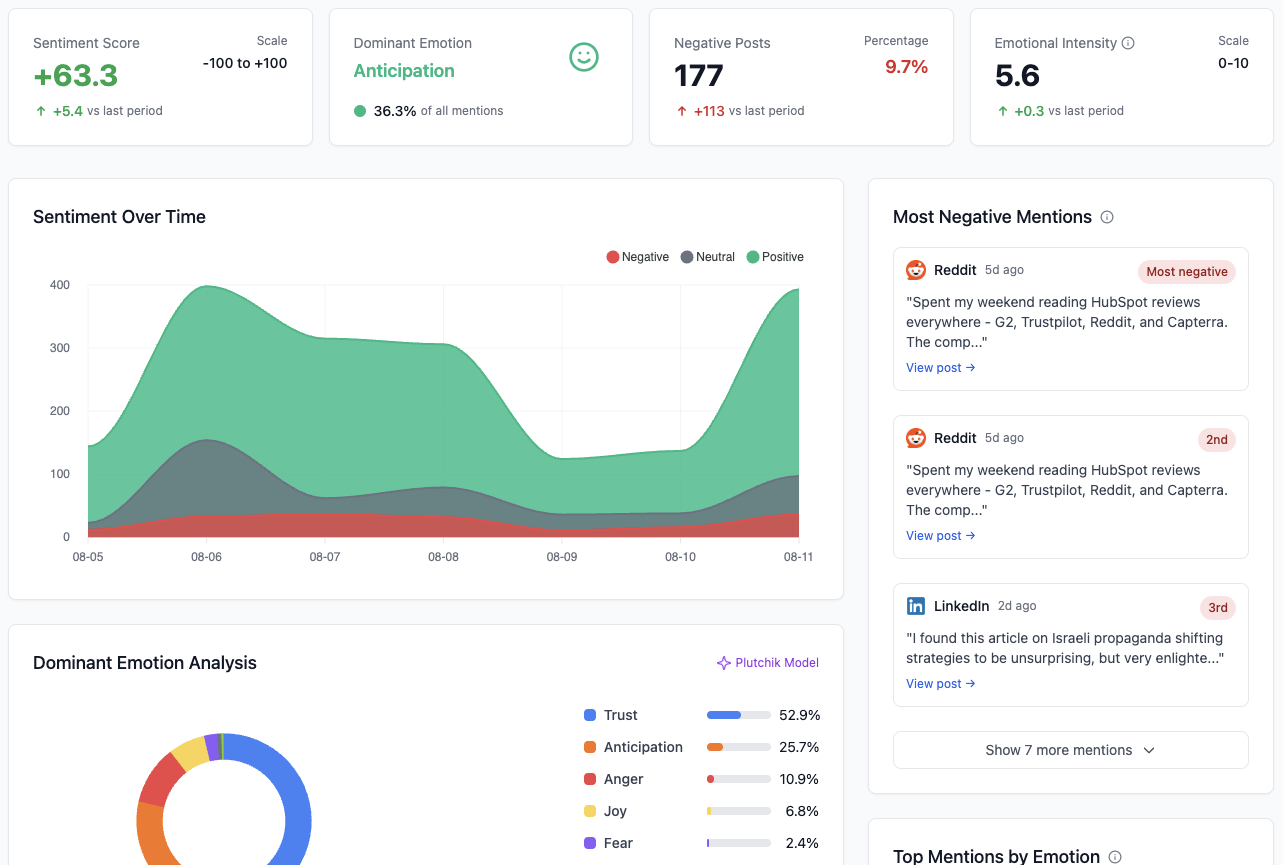
Here’s a quick look at how a tool like ForumScout can help you set up alerts that power both your proactive and reactive workflows.

This simple interface lets you create highly specific alerts, ensuring you get notified about the conversations that truly matter, whether they’re an opportunity to shine or a threat to manage.

Proactive vs Reactive Reputation Management Tasks

This side-by-side comparison makes it easy to see how both workflows come together to form a complete reputation management strategy.

Activity Proactive Management (Building Reputation) Reactive Management (Protecting Reputation)
Primary Goal Create positive sentiment and brand authority. Mitigate damage and resolve issues swiftly.
Key Actions Share testimonials, engage with advocates, join industry chats. Respond to complaints, correct misinformation, manage crises.
Timing Ongoing, continuous effort. Immediate, in response to a specific trigger.
Tools Used For Discovering opportunities and positive mentions. Instant alerts for negative keywords and sentiment spikes.

Ultimately, a winning workflow seamlessly blends both proactive and reactive tasks. By consistently building goodwill, you create a strong reputational buffer that makes navigating the inevitable negative comment far more manageable. This two-pronged approach ensures your brand isn’t just being protected—it’s actively getting stronger every single day.

What to Monitor and How to Measure It

Digital dashboard displaying sentiment, share of voice charts, and top influencer mentions with star ratings.

Effective reputation management for companies all starts with knowing where to listen. A brilliant strategy is totally useless if you aren't tuned into the right channels where people are talking about your brand, your industry, and your competitors right now.

Just keeping an eye on your own social media pages is like only listening to conversations inside your own office. The real, unfiltered insights are happening out in the wider world. To get the full picture, you have to cast a wide net across a bunch of different digital spaces.

Key Channels for Reputation Monitoring

Your monitoring efforts need to cover a mix of the big, high-profile networks and the smaller, niche communities to really capture what people think. The most critical places to track are:

  • Major Social Networks (X, LinkedIn, Facebook): Think of these as the public squares of the internet. Conversations here are fast, spread like wildfire, and are essential for spotting breaking news or handling direct customer service issues.
  • Visual-First Platforms (Instagram, TikTok): On these channels, your reputation is often built on user-generated content and influencer posts. Monitoring here is less about text and more about context—how are people actually using and showing off your products?
  • Crucial Community Hubs (Reddit, Niche Forums): This is where you find the unfiltered truth. The anonymity on platforms like Reddit encourages raw, honest feedback you just won’t find anywhere else. Niche industry forums are absolute goldmines for detailed technical chats and expert opinions.
  • News Outlets and Blogs: A mention from a journalist or a respected industry blogger can seriously move the needle on your reputation. Tracking these sources helps you see how effective your PR is and lets you jump on any misinformation quickly.

A tool like ForumScout is built to scan all these different sources, pulling mentions from forums and social media into one single, manageable feed so you never miss a critical conversation.

Moving Beyond Mentions to Meaningful Metrics

Look, just counting how many times your brand gets mentioned is a vanity metric. It tells you people are talking, but it doesn’t tell you what they're saying, how they feel, or how you stack up against your competitors. To turn all that raw data into actual business intelligence, you need to focus on more powerful metrics.

These are the numbers that transform a noisy stream of mentions into a clear dashboard that can actually guide your strategy.

Effective monitoring isn't about collecting data; it's about extracting intelligence. The goal is to move from "what was said" to "what this means for our business," allowing you to make strategic decisions based on genuine customer sentiment and competitive positioning.

The three most important metrics to track are:

  1. Sentiment Analysis: This is the absolute cornerstone of modern reputation management. Sentiment analysis tools automatically sort each mention into positive, negative, or neutral buckets, giving you an immediate, at-a-glance read on public perception. Tracking this over time shows you if your efforts are actually making people feel better about your brand. Our guide offers a deeper dive into applying sentiment analysis for social media to get these crucial insights.
  2. Share of Voice (SoV): This metric tells you how much of the conversation in your industry is about your brand versus your competitors. Are you leading the discussion, or are you getting drowned out? A high Share of Voice is a great indicator of strong brand awareness and market presence.
  3. Key Influencers and Detractors: Not all mentions are created equal. A throwaway comment from someone with 10 followers has a very different impact than a detailed critique from a major industry influencer. Identifying your biggest fans (influencers) and your loudest critics (detractors) helps you focus your energy where it will have the biggest impact.

By focusing on these more sophisticated metrics, you can translate the constant hum of online chatter into clear, strategic actions. This is how you shift your reputation management from a reactive chore to a proactive driver of business growth.

Your Actionable Reputation Management Checklist

Okay, let's move from theory to practice. This isn't about spending endless hours trawling the internet for mentions. It's about setting up a smart, efficient system that brings the most important conversations straight to you.

Think of this as your startup guide to taking control of your brand's story. We’ll break the process down into simple, manageable steps any business can follow right now.

Step 1: Define Your Core Monitoring Keywords

The foundation of any good listening strategy is knowing what to listen for. You need to build a comprehensive list of keywords directly tied to your brand. Don't just stop at your company name, though.

Your list should include:

  • Brand Name: Be sure to include common variations and even misspellings.
  • Product and Service Names: Track the specific things customers are looking for.
  • Key People: Monitor mentions of your CEO, founder, or any public-facing executives.
  • Competitor Names: Keep a close eye on what people are saying about your main rivals.

This initial setup ensures you're casting a wide but relevant net, capturing the conversations that actually matter.

Step 2: Configure Your Monitoring Tool

Once you have your keywords, it’s time to put them to work. Manually searching for mentions just isn't scalable or effective, which is where a specialised tool like ForumScout becomes essential. It automates the whole process and cuts through the noise.

Set up your platform by plugging in your keywords and configuring smart notifications. The goal here is to get alerts only for the most relevant stuff, like posts with negative sentiment or questions from potential customers. This turns a firehose of data into a focused, actionable feed.

A well-configured monitoring tool acts as your eyes and ears online, 24/7. It filters out irrelevant chatter and ensures you're the first to know when a conversation requires your attention, turning reactive firefighting into proactive engagement.

Step 3: Establish a Simple Response Matrix

When you do get a mention that needs a reply, speed and consistency are everything. A response matrix is just a simple chart that clarifies who is responsible for what, eliminating any confusion when a critical comment pops up.

Your matrix should define:

  • Who responds: Is it the social media manager, customer support, or a department head?
  • When they respond: Set clear timelines, like a commitment to reply to all negative feedback within two hours.
  • Escalation path: Outline what happens when a serious issue needs to be passed up to senior leadership.

For a little extra help crafting the perfect replies, our detailed article on how to respond to negative feedback provides templates and proven practices. A simple document like this ensures your team acts decisively and professionally every single time.

Finally, get into the habit of a weekly 30-minute reputation review. Use this time to analyse trends and integrate your findings with other business tools, like sending new leads straight to your CRM. This simple, repeatable plan proves that any team can build a robust system with the right tools and a clear process.

Still Have Questions About Reputation Management?

Even with a solid strategy in place, the day-to-day reality of managing your online presence can feel a bit fuzzy. Let’s clear things up by tackling some of the most common questions we hear from businesses just starting out.

How Much Time Does Reputation Management Really Take for a Small Business?

Nowhere near as much as you might think, especially with modern tools. A platform like ForumScout uses smart AI filters to bring the most important mentions right to the top, cutting your daily monitoring time down to just 15-20 minutes.

The secret is having an efficient workflow. You're not trying to jump into every single conversation online; that's a recipe for burnout. Instead, you're focused on engaging where it actually counts. This targeted approach saves a massive amount of time.

For a small business, the goal isn't to track every whisper online. It's about setting up an intelligent system that alerts you to the shouts—the critical reviews, sales opportunities, and budding crises that demand your attention.

What’s the Best Way to Handle a Negative Online Review?

The golden rule is to respond quickly, publicly, and professionally. The first step is to simply acknowledge the customer's frustration. Avoid getting defensive or making excuses—that almost always makes things worse.

Show some empathy for their problem and then offer to take the conversation offline to solve it, maybe via email or a phone call. That public response shows potential customers that you take feedback seriously and genuinely want to make things right. Whatever you do, never delete negative comments unless they clearly violate a platform's rules.

Can I Get By Without a Paid Reputation Management Tool?

You can certainly start with free options like Google Alerts, but you'll hit their limits pretty quickly. They’re notorious for missing mentions on crucial platforms like Reddit and forums, they offer zero sentiment analysis, and the alerts are often delayed.

For any business serious about reputation management for companies, an affordable and specialised tool pays for itself almost immediately. It gives you the real-time, comprehensive coverage that manual searching could never match, making sure you don't miss a single threat or opportunity.


Ready to stop guessing and start managing your reputation with confidence? ForumScout gives you the real-time alerts and AI-powered insights you need to find leads, track competitors, and protect your brand. Start your free 7-day trial today.